.svg)

Alpha-Gal Syndrome in Oklahoma: How One Tick Bite Can Change Your Life
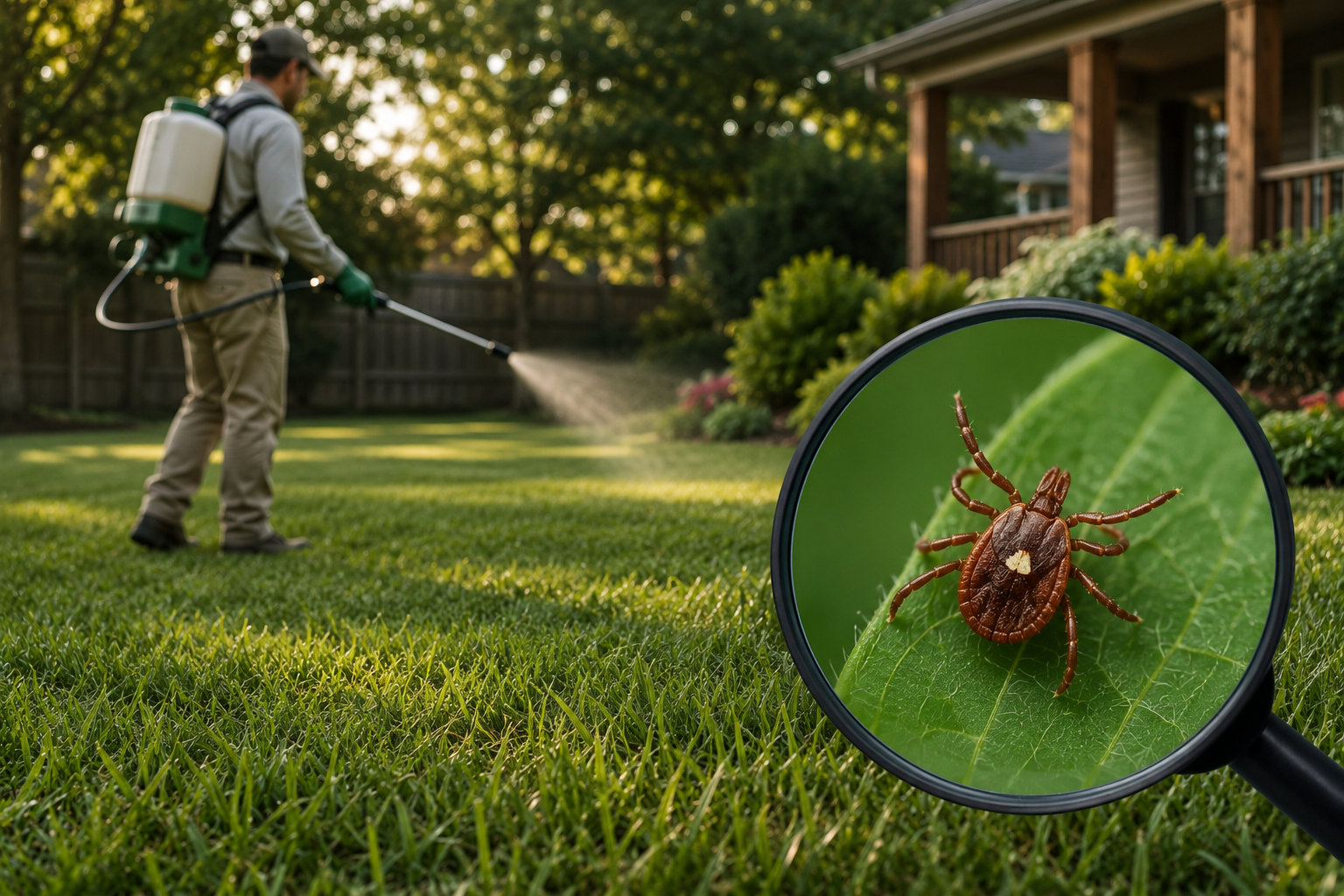
Alpha-Gal Syndrome in Oklahoma: How One Tick Bite Can Change Your Life
Every summer, Oklahoma homeowners prepare for familiar outdoor pests like mosquitoes, fleas, and ticks. While itchy bites are inconvenient, one particular tick has become a growing health concern across the state for a much bigger reason.
The lone star tick is responsible for spreading Alpha-Gal Syndrome (AGS)—a potentially life-changing allergy that can develop after a single tick bite. As cases continue to rise throughout Oklahoma, protecting your property from ticks has never been more important. Oklahoma health officials have highlighted Alpha-Gal Syndrome as an emerging public health concern, and recent legislation has increased disease tracking as cases continue to grow statewide.
At Don's All Green, we help Oklahoma homeowners reduce tick populations around their properties so families can spend more time outdoors with greater peace of mind.
What Is Alpha-Gal Syndrome?
Alpha-Gal Syndrome is an allergic reaction that develops after being bitten by an infected lone star tick.
Unlike Lyme disease, Alpha-Gal Syndrome doesn't make you sick immediately after the bite. Instead, the tick introduces a sugar molecule called alpha-gal into your body. Your immune system may begin treating that molecule as a threat, causing allergic reactions later when you eat products made from mammals.
For many people, this means they may suddenly become allergic to:
- Beef
- Pork
- Venison
- Lamb
- Some dairy products
- Gelatin-containing products
One of the most unusual aspects of Alpha-Gal Syndrome is that symptoms often appear 3 to 6 hours after eating, making the allergy difficult to recognize.
Why Oklahoma Homeowners Should Pay Attention
The lone star tick is extremely common throughout Oklahoma.
These aggressive ticks thrive in:
- Wooded areas
- Tall grass
- Overgrown landscaping
- Brush lines
- Properties with heavy wildlife activity
- Yards visited by deer
Unlike some tick species that wait for hosts to pass by, lone star ticks actively move toward people and pets, increasing the likelihood of bites. Oklahoma continues to see growing awareness of Alpha-Gal Syndrome as the tick's range and population expand.
Signs and Symptoms of Alpha-Gal Syndrome
Symptoms vary from person to person and can range from mild to severe.
Common symptoms include:
- Hives
- Itching
- Swelling of the lips or throat
- Stomach pain
- Nausea
- Vomiting
- Diarrhea
- Difficulty breathing
- Anaphylaxis in severe cases
Because reactions often occur hours after eating red meat, many people never connect their symptoms to a previous tick bite until they receive medical testing.
How to Reduce Tick Activity Around Your Property
While no lawn can ever be completely tick-free, reducing tick habitat dramatically lowers the risk of exposure.
Homeowners can help by:
Keep Grass Properly Maintained
Regular mowing reduces the humid environments where ticks prefer to hide.
Trim Overgrown Landscaping
Dense shrubs, ornamental grasses, and low vegetation create ideal resting areas for ticks.
Remove Leaf Litter
Ticks thrive in moist piles of leaves and organic debris.
Reduce Wildlife Activity
Deer are one of the primary hosts for lone star ticks. Discouraging deer from spending time in your yard can help reduce future tick populations.
Create Landscape Borders
Adding mulch or gravel between wooded areas and your lawn creates a barrier that makes it harder for ticks to migrate into recreational spaces.
Why Professional Tick Control Makes a Difference
Many homeowners rely on DIY sprays or occasional treatments, but ticks often remain hidden deep within landscaping where store-bought products struggle to reach.
Professional tick control focuses on treating the areas where ticks actually live, including:
- Shrub beds
- Tree lines
- Property edges
- Ground cover
- Tall vegetation
- Wooded transitions
- Landscape borders
At Don's All Green, we use targeted applications designed to reduce tick populations throughout your property while helping protect the areas where your family spends the most time outdoors.
Protect Your Family, Pets, and Outdoor Living Spaces
Ticks aren't just found deep in the woods.
Many bites happen in everyday places like:
- Backyards
- Gardens
- Around swing sets
- Along fence lines
- Walking pets
- While mowing the lawn
Reducing tick populations around your home helps lower the risk of exposure for:
- Children playing outside
- Pets
- Family gatherings
- Outdoor entertaining
- Gardening
- Lawn maintenance
Prevention Is Always Better Than Treatment
Unfortunately, there is currently no cure for Alpha-Gal Syndrome. The best protection is preventing tick bites in the first place.
Along with professional tick treatments, homeowners should:
- Wear long sleeves and pants in wooded areas.
- Use EPA-approved tick repellents.
- Perform full-body tick checks after spending time outdoors.
- Check pets regularly for ticks.
- Remove ticks promptly using fine-tipped tweezers.
Taking these simple precautions, combined with professional tick control, can significantly reduce your family's risk of tick-borne illnesses.
Protect Your Oklahoma Lawn from Ticks This Season
Oklahoma summers are meant for enjoying your backyard—not worrying about tick bites or the growing threat of Alpha-Gal Syndrome.
Professional tick control helps create a safer, more comfortable outdoor environment by reducing tick populations where they live and breed.
Whether you're spending time with family, letting pets roam the yard, or simply relaxing outside, proactive tick management is one of the best investments you can make in your property's health and your family's well-being.
Contact Don's All Green today to learn more about our professional tick control services and keep your lawn protected all season long.